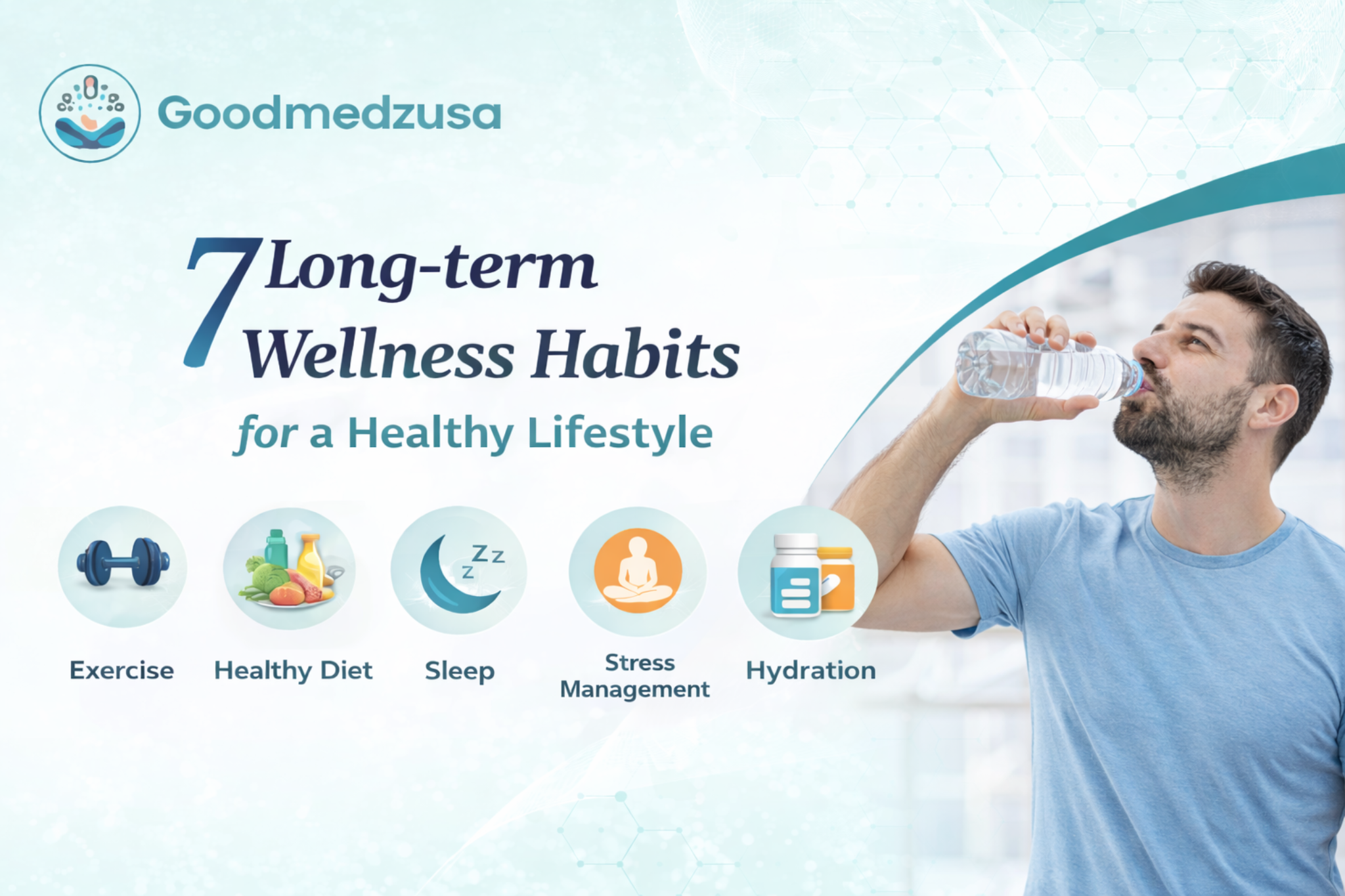
Long-term wellness is not built through temporary fitness trends or short-term diet plans. For most men, sustainable health comes from consistent lifestyle choices that support physical strength, mental resilience, and overall vitality over time.
Many modern routines involve long working hours, limited movement, irregular sleep, and high stress levels. These habits can slowly affect energy levels, physical performance, and long-term wellness health if they remain unaddressed. The good news is that simple lifestyle improvements can make a significant difference when practiced consistently.
Developing a balanced daily routine that includes exercise, proper nutrition, quality sleep, and mental well-being can help men maintain strength, stamina, and long-term wellness throughout different stages of life.
Building Strength Through Consistent Physical Activity
Regular movement is one of the most powerful contributors to long-term wellness. Physical activity supports the body in multiple ways, including improving circulation, maintaining muscle strength, and supporting metabolic health.
Men who stay physically active often experience improved energy levels, better posture, and greater physical confidence. Exercise also plays an important role in maintaining joint flexibility and preventing gradual muscle loss that can occur with age.
A balanced activity routine may include:
- Resistance or strength training
- Cardiovascular exercise such as walking or cycling
- Mobility and flexibility work
- Functional bodyweight movements
Strength training is particularly valuable because it stimulates muscle development and supports bone health. Over time, this helps maintain physical independence and reduces the likelihood of injury.
Rather than focusing on extreme workouts, consistency is the most important factor. Even moderate exercise performed regularly can create lasting health benefits.
Nutrition Habits That Support Energy and Recovery
Nutrition forms the foundation of physical performance and long-term wellness. The body relies on nutrients to repair tissues, regulate hormones, and maintain stable energy levels throughout the day.
A balanced eating pattern focuses on nutrient-dense foods rather than heavily processed options. Meals that combine protein, complex carbohydrates, healthy fats, and fiber provide steady energy and support muscle recovery.
Examples of beneficial dietary habits include:
- Including a source of protein in each meal
- Eating a variety of vegetables and fruits
- Choosing whole grains over refined carbohydrates
- Staying hydrated throughout the day
Hydration is often overlooked but plays a major role in maintaining concentration, supporting digestion, and regulating body temperature.
Instead of restrictive diets, long-term wellness is better supported by balanced eating patterns that can be maintained consistently.
The Importance of Sleep for Physical and Mental Recovery
Sleep is one of the most essential yet underestimated factors in maintaining good health. During sleep, the body performs several restorative processes that support physical and cognitive functioning.
Quality sleep helps regulate hormones, repair muscle tissue, and improve memory and concentration. When sleep becomes irregular or insufficient, individuals may notice decreased energy, difficulty focusing, and slower recovery after exercise.
Healthy sleep habits may include:
- Maintaining a consistent bedtime schedule
- Limiting electronic device use before sleeping
- Creating a quiet and comfortable sleep environment
- Avoiding heavy meals late at night
Men who prioritize sleep often notice improvements in productivity, mood stability, and physical performance.
Adequate rest allows the body to reset and prepare for the demands of the following day.
Managing Stress to Protect Overall Health
Modern lifestyles can expose individuals to constant mental pressure. Work responsibilities, financial concerns, and daily obligations may contribute to ongoing stress. While occasional stress is a normal part of life, prolonged stress can gradually affect both mental and physical health.
Effective stress management helps maintain emotional balance and supports long-term wellness.
Practical strategies for reducing stress include:
- Engaging in regular physical activity
- Spending time in nature
- Practicing breathing exercises or mindfulness
- Maintaining supportive social connections
- Taking regular breaks during demanding workdays
Developing healthy ways to manage stress improves mental clarity and helps maintain a positive outlook toward daily responsibilities.
Daily Habits That Support Long-Term Wellness
Long-term wellness health is influenced more by daily habits than by occasional health efforts. Small actions repeated consistently can produce meaningful improvements over time.
Healthy daily practices may include:
- Starting the day with light physical movement
- Drinking sufficient water during the day
- Taking short walking breaks during long work periods
- Preparing balanced meals rather than relying on fast food
- Setting aside time for relaxation and recovery
These habits may appear simple, but their cumulative impact can significantly improve overall health and productivity.
Over time, these small decisions form a sustainable lifestyle that supports both physical strength and mental well-being.
Preventive Health Awareness
Preventive health awareness is another important element of long-term wellness. Monitoring general health indicators and scheduling periodic health checkups can help individuals stay informed about their physical condition.
Preventive practices may include:
- Routine health screenings
- Monitoring body weight and fitness levels
- Paying attention to changes in energy or sleep patterns
- Seeking professional guidance when needed
Early awareness often allows individuals to adjust their lifestyle habits before minor concerns become larger issues.
Preventive health care encourages a proactive approach rather than reacting only after problems appear.
Mental Well-Being and Lifestyle Balance
Physical health and mental well-being are closely connected. A balanced lifestyle includes time for work, personal interests, relationships, and relaxation.
Mental wellness can be supported through:
- Meaningful hobbies or creative activities
- Regular social interaction with family or friends
- Spending time outdoors
- Practicing gratitude or reflection
Men who maintain healthy social connections and personal interests often experience greater life satisfaction and emotional stability.
A balanced lifestyle helps create resilience and improves the ability to handle everyday challenges.
Creating Sustainable Health Goals
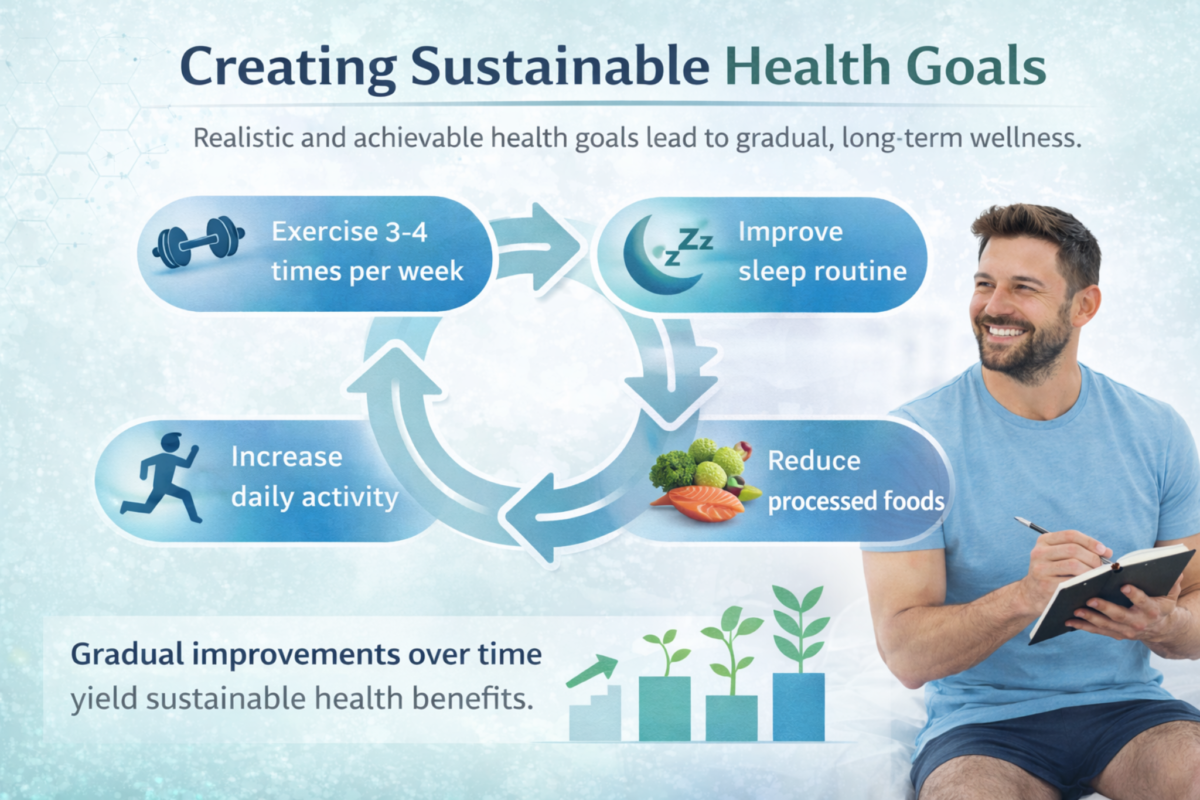
One of the most effective approaches to long-term wellness is setting realistic and achievable health goals. Sudden lifestyle changes that are too extreme are difficult to maintain and may lead to frustration.
Instead, gradual improvements often produce better long-term results.
Examples of realistic goals include:
- Exercising three to four times per week
- Improving sleep routines
- Increasing daily physical activity
- Reducing highly processed foods
Progress should be viewed as a continuous process rather than a short-term challenge. Small improvements made consistently over months and years can significantly improve overall health.
Understanding Fildena Strength Options
Adopting healthy lifestyle habits—such as regular exercise, nutritious meals, sufficient sleep, and effective stress management—plays a significant role in maintaining men’s overall health. However, some men may still encounter erectile difficulties at certain points in their lives despite maintaining a balanced lifestyle.
When this occurs, medical professionals may recommend treatment options that help improve blood circulation. One medication commonly associated with this purpose is Fildena, which contains sildenafil citrate. This active ingredient is widely used in treatments designed to support erectile function by improving blood flow during sexual stimulation.
Fildena is manufactured in a variety of dosage strengths so that treatment can be adjusted according to individual needs. The most suitable dosage generally depends on a person’s health profile, tolerance to the medication, and the guidance of a qualified healthcare professional.
Several commonly available strengths of Fildena include:
- Fildena 25 mg – Often used as a lower starting dose, particularly for individuals who are beginning treatment or who may require a gentler option.
- Fildena 50 mg – A widely used strength that may offer balanced effectiveness for many individuals.
- Fildena 100 mg – A stronger dosage that may be considered when lower strengths do not provide sufficient improvement.
- Fildena 120 mg and 150 mg – Higher-strength options sometimes recommended under medical supervision.
- Fildena Double 200 mg – A very high-strength formulation typically intended for individuals who have previously used lower doses successfully.
Conclusion
long-term wellness is built through consistent daily habits rather than short-term solutions. Regular exercise, balanced nutrition, adequate rest, and effective stress management all work together to support long-term health and vitality.
Although busy schedules can sometimes make healthy routines challenging, even gradual improvements can create meaningful benefits over time. Small actions—such as increasing physical activity, improving sleep patterns, and choosing nutritious meals—can positively influence overall well-being.
By focusing on steady lifestyle improvements and maintaining awareness of preventive health practices, men can strengthen both their physical and mental resilience. Developing these habits today can help support long-term wellness, confidence, and a healthier quality of life.
Frequently Asked Questions
1. Can lifestyle habits influence long-term wellness?
Yes. Daily habits such as staying physically active, eating balanced meals, getting adequate sleep, and managing stress effectively all contribute to maintaining long-term wellness, health and consistent energy levels.
2. Why is regular exercise important for men?
Exercise helps support cardiovascular health, strengthens muscles, improves blood circulation, and promotes better metabolic function. Regular activity can also enhance mood and increase daily productivity.
3. How does sleep contribute to overall health?
Sleep allows the body to recover and restore important systems. During rest, hormones are regulated, muscles recover, and the brain processes information from the day. Consistent sleep patterns support both physical and mental performance.
4. Why is proper nutrition essential for sustained energy?
The body requires a steady supply of nutrients to function efficiently. A balanced diet that includes protein , healthy fats , fiber, fruits , and vegetables helps maintain energy levels and supports muscle repair and immune health.
5. Are lifestyle choices connected to erectile health?
Yes. Lifestyle factors such as physical fitness, cardiovascular health, body weight, and stress levels can influence blood flow and overall sexual health. Maintaining healthy habits may support better long-term wellness outcomes.
6. When should someone seek medical advice for erectile concerns?
If erectile difficulties occur frequently or persist over time, consulting a healthcare professional is recommended. A medical assessment can help identify underlying factors and determine suitable treatment options.