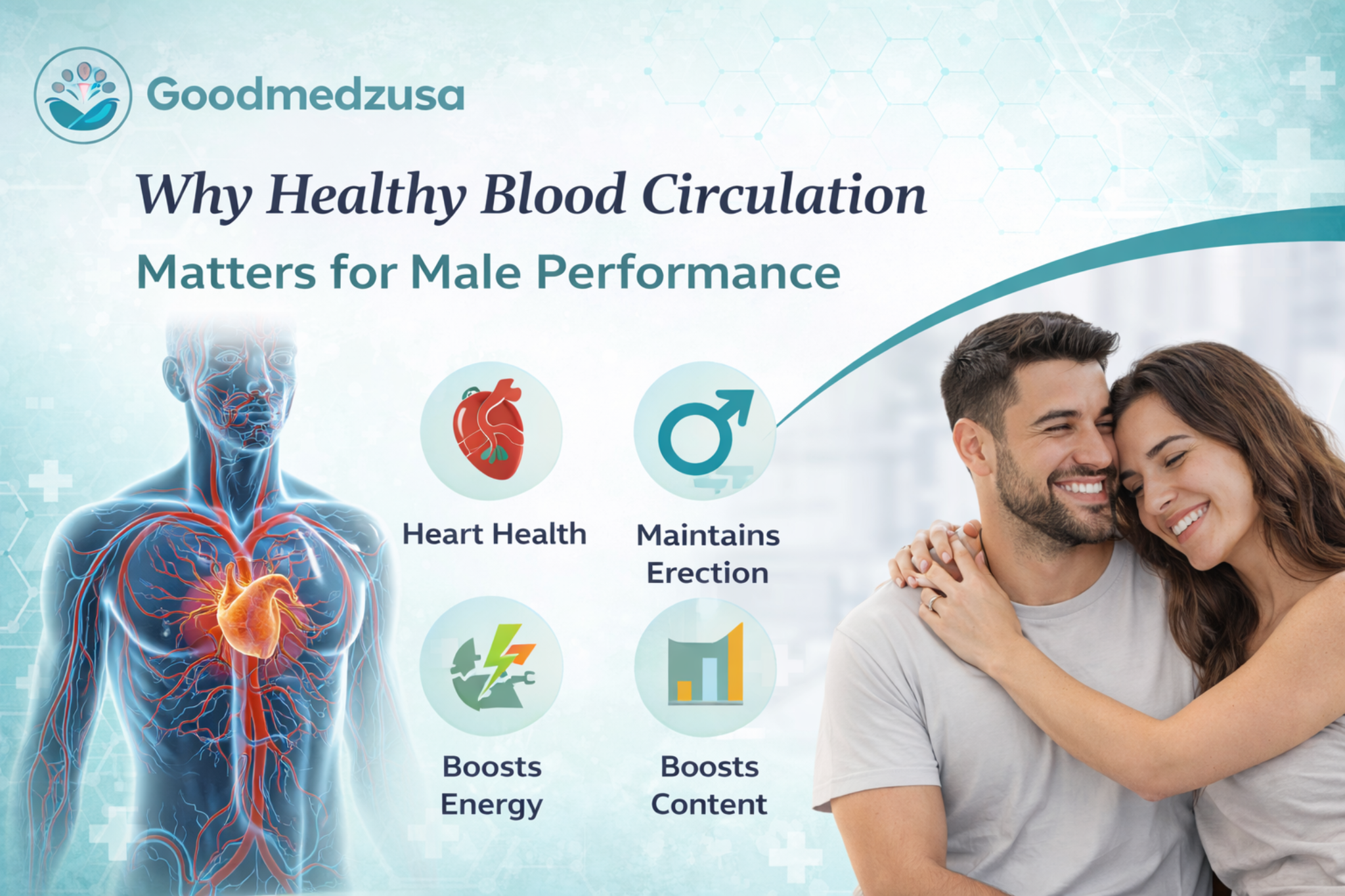
The human body operates through a network of systems that work together to keep every organ functioning. Among these systems, blood circulation is one of the most essential. It acts as the body’s delivery system, transporting oxygen, nutrients, and hormones to tissues while also carrying away waste products.
For men, circulation plays an especially important role in maintaining physical strength, stamina, and reproductive health. Efficient blood circulation supports muscle activity, helps regulate energy levels, and allows the body to respond properly during physical exertion.
When circulation is optimal, the body can perform at its best. However, when blood flow becomes restricted or inefficient, certain functions may become less effective. In some cases, poor circulation can be associated with health conditions such as Erectile Dysfunction, which highlights the close relationship between vascular health and male performance.
Understanding how circulation affects the body can help men make lifestyle choices that protect long-term health and vitality.
The Circulatory System: The Body’s Transportation Network
The circulatory system works much like a complex highway system. The heart acts as the central engine that keeps blood circulatiing, while arteries and veins function as the roads that transport it.
Each heartbeat sends oxygen-rich blood through arteries to different parts of the body. Cells then use this oxygen to produce energy that powers movement and organ function. After delivering oxygen and nutrients, the blood returns to the heart through veins, carrying carbon dioxide and other waste materials that must be removed.
This constant movement of blood circulation supports many critical functions:
- Providing energy to muscles during activity
- Delivering nutrients that help repair body tissues
- Supporting brain function and concentration
- Maintaining temperature balance within the body
Without proper circulation, these processes cannot operate efficiently.
Blood Circulation and Physical Performance
Physical performance depends heavily on the body’s ability to deliver oxygen to working muscles. During exercise, muscles require more oxygen and nutrients to sustain movement and produce energy.
When circulation increases during physical activity, blood vessels widen to allow greater blood circulation. This process helps muscles maintain endurance and delays fatigue.
If circulation is limited, muscles may receive less oxygen, which can result in reduced stamina and slower recovery after activity. This is why athletes and fitness professionals often emphasize cardiovascular health as a foundation for physical performance.
Good circulation supports:
- Improved endurance
- Stronger muscle function
- Faster recovery after workouts
- Better oxygen delivery throughout the body
These benefits contribute to both athletic performance and everyday physical activity.
How Circulation Influences Male Reproductive Health
Healthy blood circulation is also important for certain natural physiological responses in the male body. Many reproductive functions depend on the ability of blood vessels to expand and allow increased blood circulation to specific tissues.
When blood vessels are flexible and responsive, the body can regulate circulation effectively. However, if arteries become stiff or narrowed due to unhealthy habits or underlying conditions, blood circulation may be reduced.
Because the circulatory system is closely connected with reproductive health, maintaining healthy blood vessels can help support normal body functions.
For this reason, doctors often encourage lifestyle habits that protect cardiovascular health as part of overall male wellness.
The Heart’s Role in Maintaining Circulation
The heart is responsible for maintaining continuous blood circulation. A strong and efficient heart ensures that oxygen and nutrients reach every organ in the body.
However, several factors can place strain on the cardiovascular system over time. Unhealthy lifestyle habits may gradually affect the health of blood vessels and the heart itself.
Examples of habits that may impact circulation include:
- Sedentary lifestyle
- High intake of processed foods
- Smoking
- Excessive alcohol consumption
- Persistent stress
When these factors accumulate over time, they may influence the efficiency of blood circulation.
Supporting heart health is therefore one of the most important ways to maintain strong circulation and overall physical performance.
Exercise as a Tool for Improving Circulation
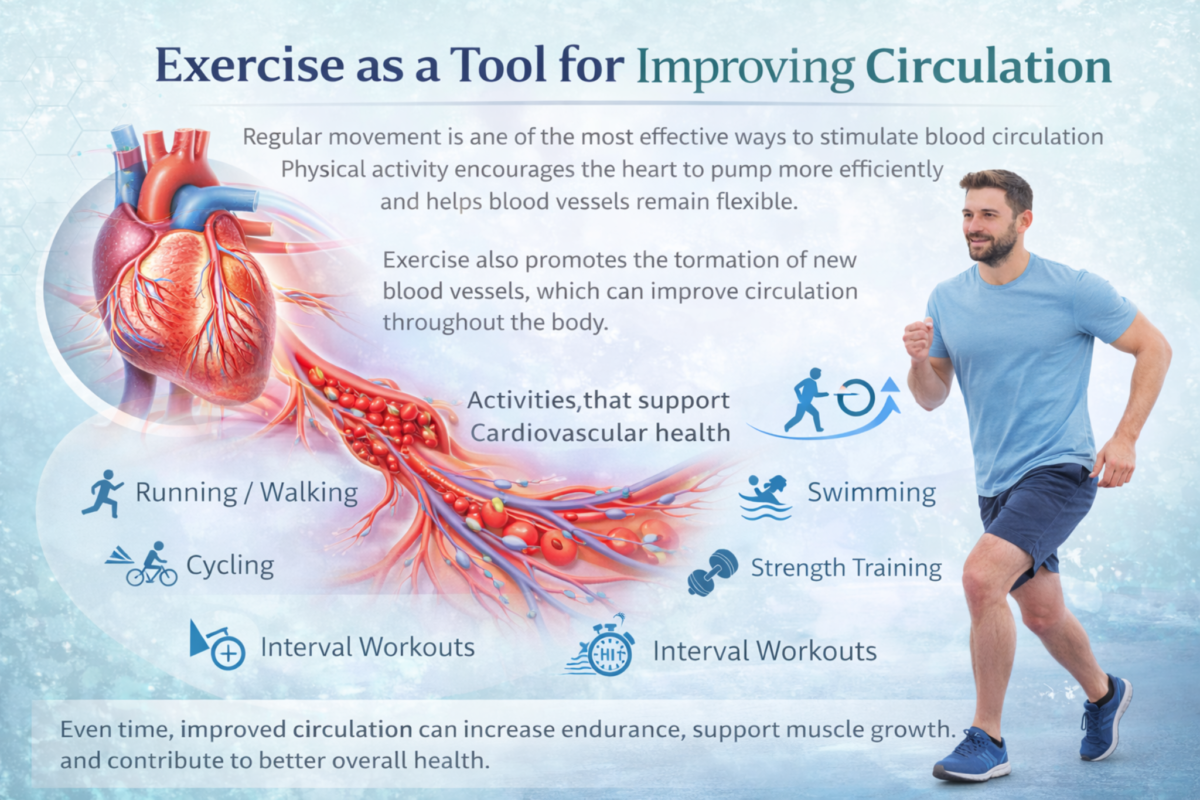
Regular movement is one of the most effective ways to stimulate blood circulation. Physical activity encourages the heart to pump more efficiently and helps blood vessels remain flexible.
Exercise also promotes the formation of new blood vessels, which can improve circulation throughout the body.
Activities that support cardiovascular health include:
- Running or brisk walking
- Swimming
- Cycling
- Strength training
- Interval workouts
Even moderate activity performed consistently can strengthen the circulatory system.
Over time, improved circulation can increase endurance, support muscle growth, and contribute to better overall health.
Nutrition and Blood Vessel Health
Food choices can significantly affect the condition of the circulatory system. Nutrients from whole foods help maintain the structure and function of blood vessels.
Diets that emphasize natural, minimally processed foods tend to support better cardiovascular health.
Foods commonly associated with circulatory health include:
- Colorful vegetables rich in antioxidants
- Fresh fruits that provide vitamins and fiber
- Whole grains that supply steady energy
- Nuts and seeds that contain beneficial fats
- Fish that provide omega-3 fatty acids
These foods help maintain the elasticity of blood vessels and support healthy cholesterol levels.
At the same time, reducing excessive sugar, salt, and unhealthy fats may help protect the heart and arteries.
The Influence of Stress on Blood Circulation
Mental stress does not only affect mood—it can also influence the body’s physical systems. When a person experiences stress, the body activates a response that prepares it for action.
This reaction increases heart rate and temporarily narrows blood vessels.
Although this response can be helpful in short bursts, chronic stress may place constant pressure on the cardiovascular system. Over time, this may affect blood pressure and circulation efficiency.
Learning to manage stress is therefore an important part of maintaining healthy blood circulation.
Activities such as mindfulness, relaxation exercises, hobbies, and social interaction can help restore balance and reduce stress levels.
Sleep and Circulatory Recovery
Sleep allows the body to repair and regulate many biological processes. During restful sleep, heart rate slows, blood pressure decreases, and tissues undergo repair.
When sleep is disrupted or insufficient, these restorative processes may not occur properly. This can place additional strain on the circulatory system.
Healthy sleep habits support cardiovascular function and overall wellness.
Simple steps for improving sleep quality include:
- Maintaining a regular bedtime schedule
- Creating a quiet and comfortable sleep environment
- Avoiding caffeine late in the day
- Reducing screen exposure before bedtime
These practices allow the body to recover and maintain balanced circulation.
Lifestyle Habits That Support Healthy Circulation
Circulatory health is strongly influenced by everyday habits. Small lifestyle adjustments can help protect blood vessels and maintain efficient blood circulation.
Positive habits include:
- Staying physically active
- Eating balanced meals
- Drinking enough water
- Managing stress effectively
- Avoiding tobacco use
When practiced consistently, these habits strengthen the cardiovascular system and support overall health.
Long-term wellness often depends on the accumulation of these daily choices.
The Long-Term Benefits of Good Blood Circulation
Maintaining healthy blood circulation offers numerous benefits for men. Because the circulatory system supports every organ, improvements in circulation can influence many aspects of health.
Some long-term advantages include:
- Higher energy levels
- Better physical endurance
- Faster recovery from exercise
- Improved cardiovascular health
- Greater overall vitality
These benefits highlight why circulatory health is often considered a cornerstone of overall wellness.
Erectile Dysfunction (ED) Treatment Options
In some men, reduced blood flow can play a role in the development of erectile dysfunction. When circulation to the penile tissues is not sufficient, achieving or maintaining an erection may become difficult. To address this issue, doctors may recommend medications that help improve blood vessel relaxation and support better blood circulation during sexual arousal.
Several medications are commonly discussed in relation to ED management:
Cenforce – This medication contains sildenafil citrate, a compound that helps widen blood vessels and encourages improved blood circulation, which may help support erectile function.
Fildena – Fildena is another medication formulated with sildenafil. It works in a similar way by promoting healthier blood circulation, which may assist men experiencing erectile difficulties.
Vidalista – Vidalista contains tadalafil, a medication known for its longer duration of action. It supports blood vessel relaxation and can help maintain improved circulation for an extended period.
Kamagra – Kamagra also includes sildenafil citrate and functions by increasing blood circulation to certain areas of the body, helping support the body’s natural erectile response.
Before using any ED medication, it is important to seek medical advice. A healthcare professional can evaluate overall health, identify possible underlying causes, and recommend the most suitable treatment.
Conclusion
Blood circulation is fundamental to male performance and general health. The circulatory system delivers oxygen and nutrients that allow muscles, organs, and tissues to function efficiently.
Healthy blood flow depends on several lifestyle factors, including physical activity, balanced nutrition, stress control, and adequate rest. When these elements are maintained consistently, they help support cardiovascular strength and long-term vitality.
By prioritizing habits that protect the heart and blood vessels, men can improve their physical performance, maintain energy levels, and support a healthier future.
Frequently Asked Questions (FAQ)
1. Why does blood circulation matter for men’s health?
Blood circulation is essential because it carries oxygen, nutrients, and hormones throughout the body. When blood circulation functions properly, organs, muscles, and tissues receive the support they need to operate efficiently.
2. Can limited blood circulation impact male performance?
Yes. If the body cannot deliver enough oxygen-rich blood to muscles and tissues, it may lead to reduced stamina, slower recovery, and in some situations may influence sexual health.
3. What symptoms may suggest blood circulation problems?
Indicators can vary but may include cold extremities, tiredness, muscle discomfort, tingling sensations, or delayed recovery after physical activity. If these signs occur frequently, medical evaluation is recommended.
4. Does physical activity help circulation?
Yes. Regular movement encourages the heart to pump more efficiently and keeps blood vessels flexible. Activities such as brisk walking, cycling, swimming, and resistance training can support healthy circulation over time.