Male intimate wellness is not just about physical performance—it reflects overall intimate health, lifestyle, and emotional balance. In modern life, men face a variety of stressors, from professional pressures to social expectations and digital overload. These factors, while often accepted as normal, can quietly impact energy, confidence, circulation, and hormonal balance. Understanding how lifestyle influences male intimate health is the first step toward sustainable health and vitality.
This article explores the connection between stress, lifestyle habits, and male intimate health, offering practical strategies to restore balance and maintain long-term health.
The Hidden Impact of Stress on Male Health
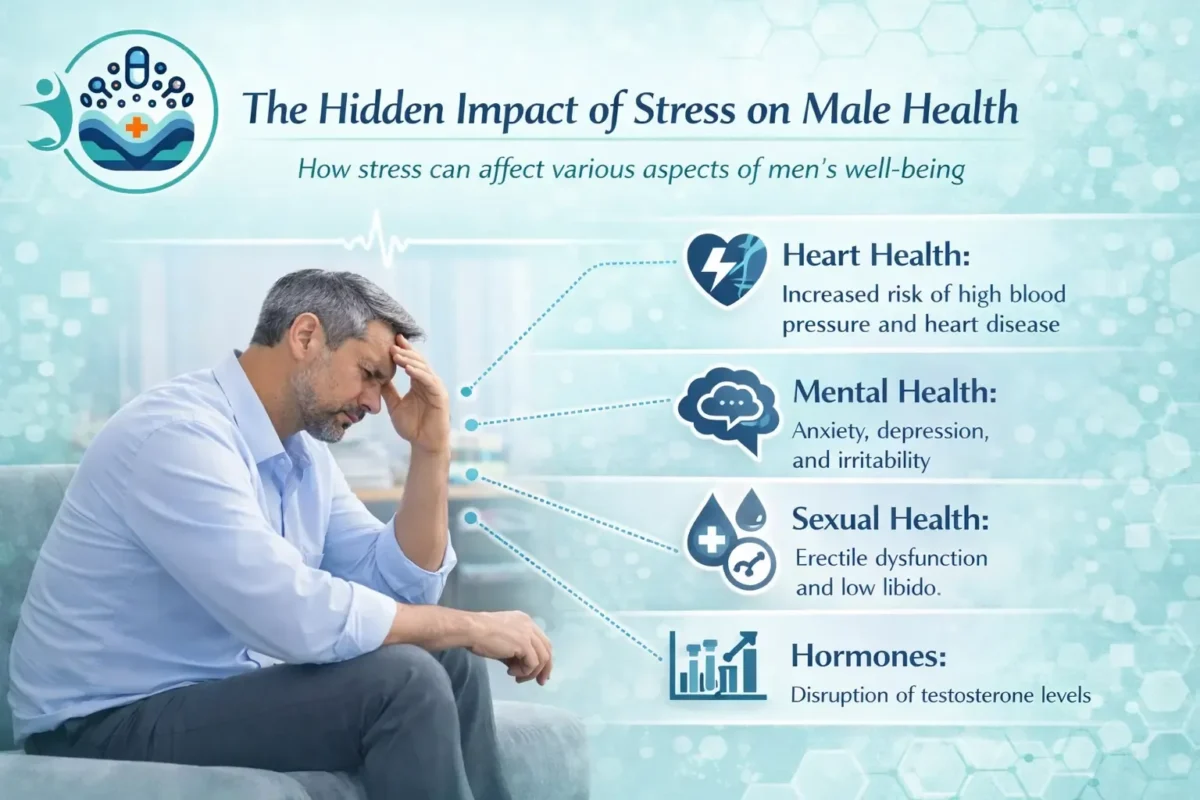
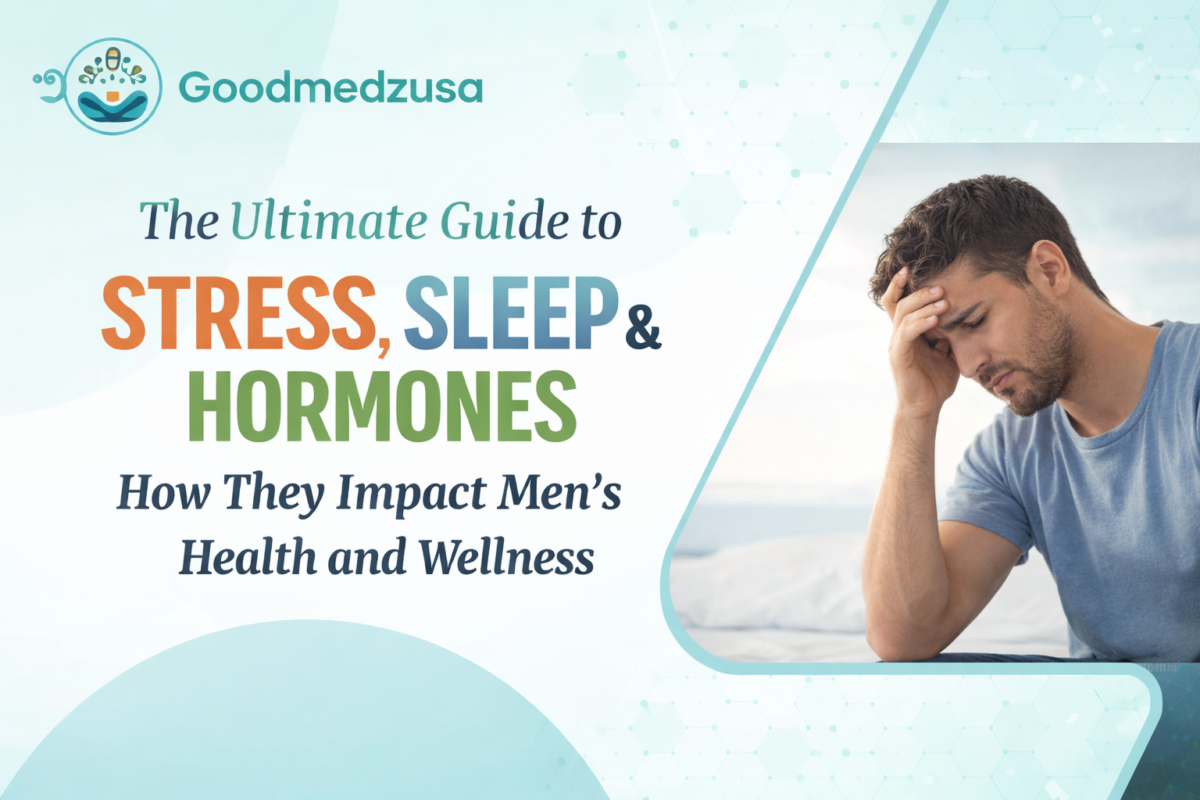
Stress is a natural part of life and serves as the body’s mechanism for survival. Short-term stress can sharpen focus, enhance alertness, and prepare the body to respond to challenges. However, chronic stress—persistent over weeks or months—can disrupt both the body and mind.
How Stress Affects the Body
In men, prolonged stress impacts:
- Nervous System Regulation: Constant activation of the sympathetic nervous system (“fight or flight”) reduces the body’s ability to relax, making it difficult to feel present and grounded.
- Hormonal Balance: Elevated cortisol levels from chronic stress can interfere with testosterone and other hormones that support energy, mood, and drive.
- Circulation: Stress-induced tension can constrict blood vessels, diverting energy away from restorative functions and reducing natural vitality.
- Emotional Resilience: Persistent stress often leads to irritability, fatigue, and decreased motivation, affecting both relationships and personal wellbeing.
By understanding stress as a physiological factor rather than a personal failure, men can take constructive steps to regain control over their intimate health.
The Nervous System and male Intimate Heath
Male intimate health relies heavily on nervous system balance. Relaxation and presence allow the body to respond naturally, while chronic activation creates tension and interference. Overthinking, performance anxiety, and constant self-monitoring can exacerbate stress, creating a cycle where physical and emotional responses are suppressed.
Strategies for Nervous System Support:
- Mindful Breathing: Short sessions of deep, controlled breathing can shift the body from sympathetic to parasympathetic dominance.
- Scheduled Downtime: Disconnecting from work and digital devices allows the nervous system to reset.
- Gentle Movement: Activities like yoga, stretching, or walking help release tension and improve body awareness.
Restoring nervous system balance improves not only intimate health but overall energy, focus, and emotional availability.
Lifestyle Choices That Influence Male Vitality
1. Physical Activity
Movement is foundational to circulation, hormone regulation, and stress management. Regular exercise supports blood flow, reduces cortisol, and enhances mood.
Recommended Activities:
- Walking, jogging, or swimming
- Strength training for muscle and metabolic health
- Yoga or mobility exercises to improve flexibility and reduce tension
Consistency matters more than intensity. Even moderate daily activity produces measurable benefits for both physical and emotional health.
2. Sleep Optimization
Sleep is crucial for recovery and hormone regulation. Poor sleep affects testosterone levels, mood, cognitive function, and physical performance.
Tips for Better Sleep:
- Maintain a consistent bedtime and wake-up schedule
- Reduce screen exposure at least an hour before bed
- Keep the sleep environment dark, quiet, and cool
Restorative sleep supports energy, emotional resilience, and overall intimate health.
3. Nutrition and Hydration
A balanced diet fuels the body and supports vascular and hormonal health. Key nutrients include magnesium, zinc, omega-3 fatty acids, and antioxidants found in whole foods.
Guidelines for Nutrition:
- Emphasize leafy greens, nuts, seeds, and lean protein
- Hydrate regularly to maintain energy and cognitive focus
- Limit processed foods and excessive caffeine
Proper nutrition contributes to vitality, energy regulation, and long-term health.
Emotional Health and Self-Regulation
Emotional regulation is just as important as physical health. Men who manage emotions effectively are more likely to maintain consistent energy, remain present, and foster strong relationships.
Ways to Improve Emotional Regulation:
- Journaling or self-reflection to process emotions
- Mindfulness or meditation to reduce anxiety
- Open communication with partners or supportive friends
When emotional wellbeing is prioritized, men feel more grounded, confident, and connected—enhancing overall male intimate health.
Overthinking and Performance Pressure
Overthinking creates a cycle that inhibits natural responses. Men may focus on self-monitoring or anticipated outcomes rather than the present experience. This activates stress pathways, making it difficult to engage authentically.
Breaking the Cycle:
- Shift focus from performance to presence
- Practice mindfulness during daily activities
- Allow the body to respond without over-analysis
Reducing mental pressure restores natural rhythm, energy, and confidence.
Role of Professional Guidance
While lifestyle strategies are the foundation, consulting a healthcare provider can provide additional support. In some cases, clinically supervised oral support options may be used temporarily to help restore confidence while addressing underlying lifestyle factors.
Responsible guidance ensures safe, temporary support while reinforcing long-term health habits.
Clinically Guided Support Options
When lifestyle improvements need additional support, healthcare professionals may recommend short-term oral options to assist circulation and confidence while long-term habits take effect. These options are available in different strength levels, selected based on individual needs and medical guidance.
Fildena 25 mg
Fildena 50 mg
Fildena 150 mg
Strength selection focuses on finding the lowest effective support, always alongside healthy routines such as stress management, regular movement, quality sleep, and balanced nutrition. These options should be used responsibly and under professional advice—not as a replacement for lifestyle care.
Practical Tips for Sustainable Male Intimate Health
- Exercise consistently: Supports circulation, hormone balance, and stress reduction.
- Prioritize sleep: 7–8 hours of quality rest daily.
- Eat whole foods: Nutrient-rich meals improve vascular, hormonal, and brain health.
- Manage stress: Incorporate mindfulness, breathing exercises, and offline time.
- Maintain emotional connections: Open communication and vulnerability enhance relational and personal health.
Consistently applying these habits creates compounding benefits over time.
External Resources and Credible Information
Access to reliable health resources empowers men to make informed decisions. For example, research and guidelines from Harvard Health on stress and men’s health provide evidence-based insights on lifestyle, stress management, and wellness.
Building Confidence Through Vitality
Confidence emerges naturally when men support their bodies and minds. Focusing on vitality rather than performance allows men to:
- Feel more present and grounded
- Respond naturally in relationships
- Maintain emotional and physical energy
- Reinforce long-term wellbeing
Sustainable confidence comes from alignment, not from forced effort or temporary fixes.
Long-Term Perspective on Male Intimate Health
Male wellness is not defined by temporary challenges or occasional setbacks. What matters most is consistent support for both body and mind. Chronic stress, poor sleep, and unhealthy habits may temporarily affect vitality, but sustainable lifestyle changes restore balance.
By approaching male intimate health holistically—addressing lifestyle, emotional regulation, and responsible guidance—men can achieve lasting energy, confidence, and presence.
Conclusion
Male intimate health is a reflection of overall lifestyle, emotional wellbeing, and physiological balance. Chronic stress, poor sleep, and inadequate lifestyle habits can silently undermine confidence, energy, and relational connection. By prioritizing movement, nutrition, rest, and emotional regulation, and seeking responsible medical guidance when appropriate, men can restore vitality and enjoy sustainable wellness.
Intimate health is not about performance metrics—it is a side effect of consistent self-care, presence, and balanced living. Men who approach their health holistically experience better energy, confidence, and relational connection, creating long-term benefits for every area of life.