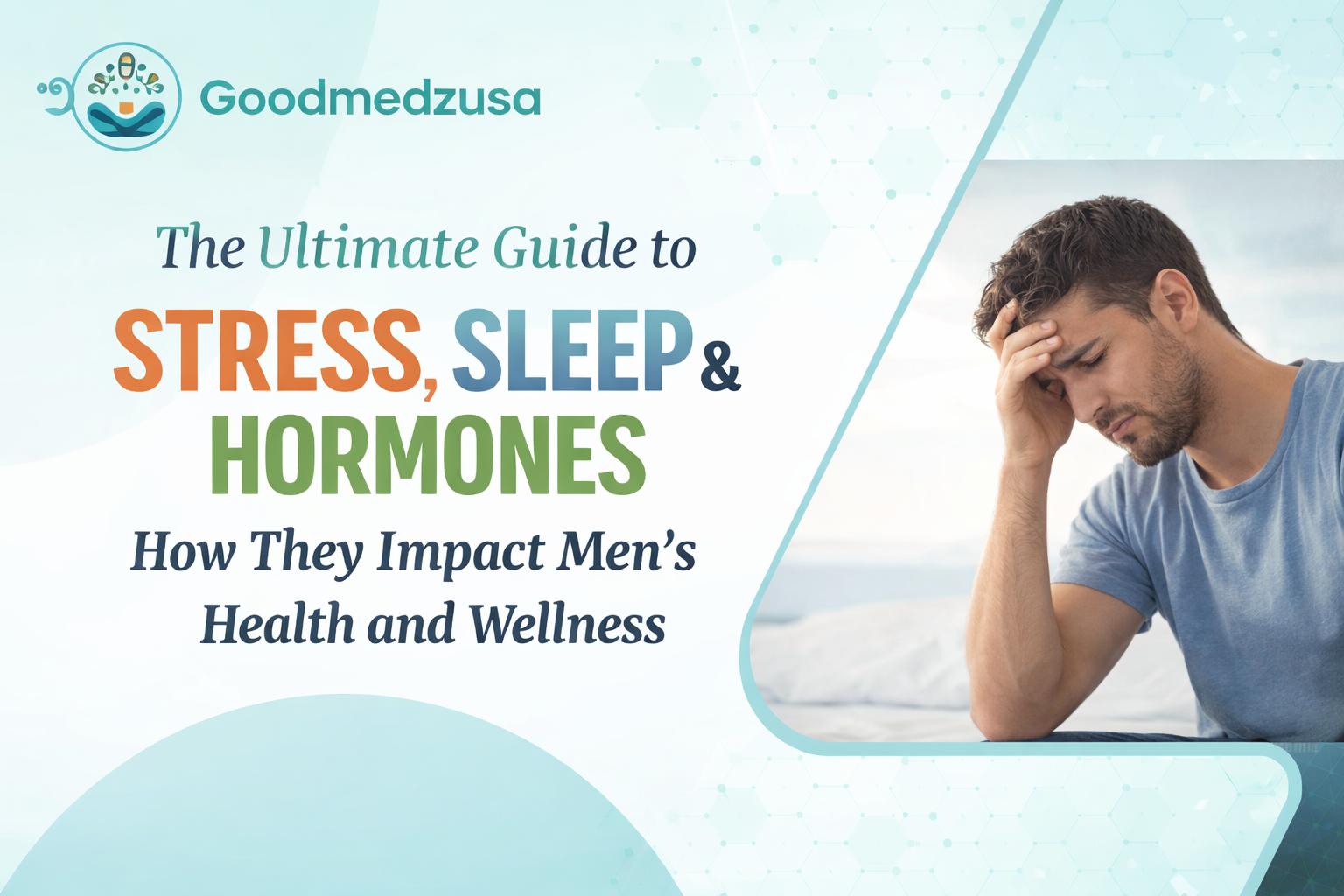
Men’s health is influenced by a complex interplay of lifestyle, biology, and environment. Among the most critical—but often overlooked—factors are stress, sleep, and hormone balance. Chronic stress, poor sleep quality, and hormonal imbalances can silently impact energy, mood, sexual wellness, and long-term health. Understanding how these factors interconnect is essential for maintaining vitality, performance, and overall well-being.
The Role of Stress in Men’s Health
Stress is more than just feeling overwhelmed—it triggers a cascade of physiological changes that affect the entire body.
- Cortisol Overload: Chronic stress raises cortisol levels, which can suppress testosterone, reduce libido, impair mood, and increase fat accumulation, especially around the abdomen.
- Impact on Energy: Elevated stress levels reduce energy, making daily tasks feel exhausting.
- Immune Function: Chronic stress weakens the immune system, increasing susceptibility to infections and slowing recovery.
Tip: Incorporate stress-management techniques such as meditation, deep breathing, exercise, or even short digital detoxes to help balance cortisol levels and protect overall health.
Sleep: The Foundation of Men’s Health
Sleep is often underestimated in men’s wellness, yet it is critical for recovery, hormone production, and mental clarity.
- Hormone Regulation: Most testosterone production occurs during deep sleep. Poor sleep reduces testosterone, impacting libido, mood, and muscle strength.
- Energy and Focus: Lack of sleep reduces alertness, cognitive performance, and physical stamina.
- Metabolic Health: Sleep deprivation is linked to insulin resistance, weight gain, and increased risk of chronic diseases.
Tip: Aim for 7–9 hours of quality sleep per night. Maintain a consistent sleep schedule, reduce blue light exposure before bed, and create a calm sleep environment.
Hormones: The Hidden Drivers of Health
Hormones are chemical messengers that regulate nearly every function in the body. For men, testosterone, cortisol, insulin, and thyroid hormones are especially important.
- Testosterone: Essential for sexual wellness, muscle mass, energy, and mood. Low levels can cause fatigue, depression, and reduced libido.
- Cortisol: While necessary for stress response, chronically high levels can impair testosterone, increase fat, and disrupt sleep.
- Thyroid Hormones: Influence metabolism, energy, and weight management. Dysfunction can mimic symptoms of fatigue and low vitality.
Tip: Regular check-ups and blood tests can help identify hormone imbalances early. Lifestyle changes like proper nutrition, sleep, and stress management can naturally support healthy hormone levels.
How Stress, Sleep, and Hormones Interconnect
These three factors are tightly linked and often reinforce each other:
- Chronic stress elevates cortisol, which disrupts sleep.
- Poor sleep lowers testosterone and worsens stress resilience.
- Hormonal imbalances amplify the negative effects of stress and fatigue.
Result: A vicious cycle of fatigue, low libido, mood swings, and reduced performance. Breaking this cycle requires addressing all three elements simultaneously.
Lifestyle Strategies to Improve Men’s Health
A. Stress Reduction Techniques for Men’s health
- Meditation or mindfulness practices
- Regular physical activity (strength training, cardio, yoga)
- Engaging hobbies and social support
B. Sleep Optimization
- Maintain a consistent sleep schedule
- Avoid caffeine and heavy meals before bed
- Create a dark, cool, and quiet sleep environment
C. Hormone-Supporting Nutrition
- Zinc-rich foods (meat, pumpkin seeds, chickpeas)
- Healthy fats (avocado, olive oil, fatty fish)
- Vitamin D sources (sunlight, fatty fish, fortified foods)
D. Regular Check-ups
- Annual physicals to monitor hormone levels, blood pressure, and metabolic health
- Early identification of conditions like low testosterone or thyroid dysfunction
Nutrients That Support Hormone Balance
Certain vitamins and minerals play a key role in supporting hormones and overall men’s health. Learn more about the essential nutrients for men that boost energy, mood, and sexual wellness:
- Zinc: Supports testosterone production
- Magnesium: Enhances sleep quality and energy
- Vitamin D: Boosts testosterone and mood
- B Vitamins: Support metabolism and stress resilience
- Omega-3 Fatty Acids: Improve circulation, reduce inflammation, and support heart health
Tip: A balanced diet incorporating these nutrients helps maintain energy, sexual wellness, and mental clarity.
The Importance of Mental Wellness
Men often overlook mental and emotional health, yet it directly affects physical performance and sexual wellness. Chronic stress and poor sleep can lead to anxiety, depression, and reduced self-confidence, creating a negative feedback loop.
Strategies:
- Cognitive behavioral therapy (CBT) for stress and anxiety
- Journaling or gratitude exercises
- Social engagement and support groups
Practical Daily Routine for Men’s Health
Here’s a sample day combining stress management, sleep optimization, and hormone-supporting nutrition:
Morning:
- 10-minute meditation
- Protein-rich breakfast with eggs and leafy greens
- 15–20 minutes of sunlight exposure
Afternoon:
- Balanced lunch with lean protein and healthy fats
- Short walk or light exercise
- Hydration and stress breaks
Evening:
- Limit screen time before bed
- Relaxing activity (reading, music, stretching)
- Sleep by a consistent bedtime
Tip: Small daily routines add up over time, creating sustainable improvements in men’s health. Explore more healthy lifestyle routines for men to enhance vitality and wellness
FAQs About Stress, Sleep, and Men’s Health
Q1: How does stress affect sexual performance?
A: Chronic stress increases cortisol, which can lower testosterone and reduce libido, energy, and sexual function.
Q2: Can poor sleep cause low testosterone?
A: Yes, testosterone is primarily produced during deep sleep, so insufficient or low-quality sleep can reduce levels significantly.
Q3: What lifestyle changes are most effective for hormone balance?
A: Consistent sleep, stress reduction, regular exercise, balanced nutrition, and avoiding alcohol and smoking support healthy hormone levels.
Q4: Are supplements necessary for men’s health?
A: Supplements are not a replacement for a healthy diet, but they can help fill nutritional gaps and support hormone balance. Explore recommended options.
Conclusion
Stress, sleep, and hormones are interconnected pillars of men’s health. Ignoring any of these factors can lead to fatigue, reduced sexual wellness, mood swings, and long-term health complications. By managing stress, optimizing sleep, supporting hormone balance through nutrition, and prioritizing mental wellness, men can achieve lasting vitality, energy, and overall well-being.